
CHINA A CERAMIC SCULPTURE ENCLOSES A MUSEUM AND A DISUSED MINE
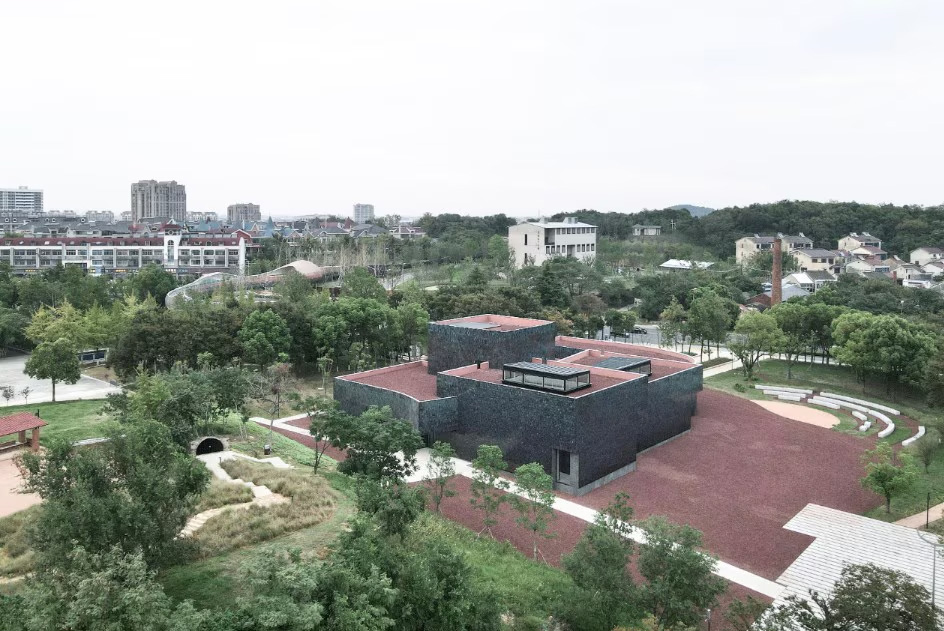
Southeast of the city of Yixing, near Dingshu (known in China as the “ceramic capital”), Atelier XÜK, together with the Department of Architecture at Southeast University, has created a work that pays homage to the area’s manufacturing and artistic-cultural traditions, renowned for centuries for the extraction and processing of a prized type of clay (Zisha), used to create ceramics with a distinctive purple hue.
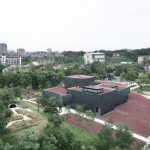
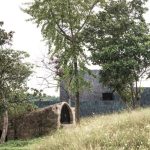
The museum dedicated to the Zisha natural springs of Mount Huanglong is located near the remains of Mine No. 4, opened in 1972 and active until 1997. After the Yixing municipal government recognized the area as a “protected site” in 2009, Atelier Xük’s recent project aims to celebrate the site’s historical memory while also enhancing its large-scale appeal through the creation of a new exhibition space and public space open to the entire community.
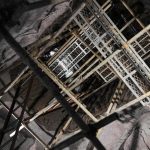
The project’s goal was to restore and enhance the mine ruins by incorporating them into an open-air exhibition circuit, integrated with the interior spaces through a system of paths and perspective views.
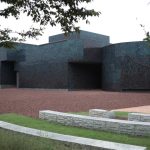
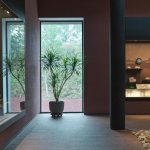
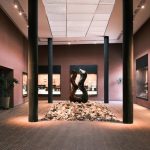
The complex is composed of five essential volumes of varying sizes and heights, reminiscent of flower petals (a symbol of good fortune in Chinese culture) that wrap around the underground mine tunnels. A vortex-shaped exhibition path, stretching from the surface to the bowels of the earth, connects three ground-floor rooms and the mine’s underground tunnel in a single sequence enriched by multimedia content.
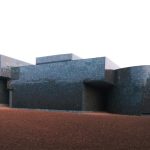
Outside, the massive grandeur of the architecture—evoking the shape and colors of the nearby mountains—is tempered by the glazed tile cladding in variegated hues that reference the five shades of local clay and are animated by iridescent reflections throughout the day.
Source Domusweb.it
Ph credit: Yiming Yang, Xu Zhang, Shiliang Hu